For fraudsters, crypto is close to perfect: transfers cannot be reversed, they cross the world in minutes, and there is no name behind a wallet address. Bitcoin and stablecoins therefore turn up in a lot of fraud cases. Switzerland’s Federal Office for Cyber Security (FOCS, formerly the NCSC and known in German as BACS) received 27,128 voluntary reports in the first half of 2026. Fraud, it says, remains the dominant category – a “lucrative mass business”.
The good news: the scripts repeat themselves. If you know them, you can walk away before the first franc leaves your account. If you are new to Switzerland, note that some of these schemes deliberately imitate Swiss institutions you may not yet know well.
The most common crypto scams in Switzerland
Fake trading platforms with a “broker” on the phone
The most widespread pattern is online investment fraud. It starts harmlessly: an advert, a sign-up form or an email. Shortly afterwards a friendly “broker” or “account manager” calls, well prepared and patient. They suggest a small first investment in bitcoin and show you an account where the gains grow quickly.
Then the pressure builds: a “one-off window”, a bonus for a bigger deposit. When you ask to withdraw, you are told to pay fees, taxes or an “unlocking charge” first. FOCS puts it plainly: there is never a payout, because the money was never invested. The profits on screen are stage scenery.
One detail should set off alarm bells at once: being asked to install Programs such as AnyDesk or TeamViewer that let a stranger see your screen and control your computer. “so I can help you buy”. From that moment the fraudsters can see your e-banking, your wallet and everything you type.
Fake news articles and celebrity adverts
The route into a fake platform often runs through counterfeit news articles. In October 2024 Zurich cantonal police warned, via cybercrimepolice.ch, about emails claiming to confirm a crypto transaction. The link leads to a page that looks like a well-known media outlet, where celebrities appear to endorse a trading platform. Anyone who fills in the form soon gets a call from the “broker”.
The same fakes appear as adverts on social media and search engines, often using photos of well-known Swiss personalities or the layout of a Swiss newspaper. None of these people recommends the platform. FOCS generally advises against responding to investment adverts on social media.
Romance scams and “pig butchering”
In Scammers spend weeks building trust, often through a romantic relationship, before steering the victim into ever larger crypto investments., money is not mentioned at first. Contact starts on a dating app, Instagram, LinkedIn or through a WhatsApp message supposedly sent to the wrong number. Over weeks, a friendship or romance develops. Eventually the other person mentions their success with a crypto app and offers to help you.
The app is fake. Often you are allowed to withdraw small amounts at first, to build trust. Larger deposits follow – until the withdrawal is blocked by invented “taxes”. A simple rule: anyone you met online who starts talking about investments is a risk, however warm the messages.
Phishing for your recovery phrase and fake wallet apps
Your The 12 or 24 words that restore a wallet. Whoever knows them controls the coins. is the master key to your coins. Scammers try every route to get it: emails or texts threatening to block your wallet, fake support accounts on Telegram or X, “wallet synchronisation” websites. Add to that cloned wallet apps in app stores and fake browser extensions that look almost identical to the real thing.
The rule is absolute: the recovery phrase is never entered on a website, in a form, in a chat or over the phone. No wallet maker or exchange will ever ask for it. With a hardware wallet, the words are only ever entered on the device itself, if at all. More in our guide to crypto wallets in Switzerland.
Recovery scams: the second hit
Once you have been scammed, you end up on lists. Months later, supposed lawyers, authorities or Europol and Interpol units get in touch and promise to recover the lost money. According to FOCS, they then demand fees and taxes again, sometimes with forged official documents. FINMA makes clear that it is never involved in processes or offers that claim to make good financial losses. Anyone who wants money up front to recover your money is scamming you.
Fake authorities, banks and companies
Scammers like to pose as public bodies or well-known brands. In June 2025 FINMA warned of phishing emails using a fake FINMA sender. It states that, as a rule, it does not contact private individuals and only uses addresses ending in @finma.ch. Back in 2023 it warned of fake insurance intermediaries who use extracts from the FINMA register to win trust and then pitch bitcoin investments. FINMA’s warning signs: details that differ from the register, odd email addresses, foreign phone numbers and payments to accounts abroad.
On the phone, fake authorities are a mass phenomenon. In the first half of 2026, FOCS received more than 400 reports a month about such calls from Swiss numbers. After caller-ID labelling rules were extended to mobile numbers in July 2026, the figure fell below 100. On top of that comes classic phishing in the name of PostFinance, Swiss Post or SBB.
Bitcoin ATMs and QR code tricks
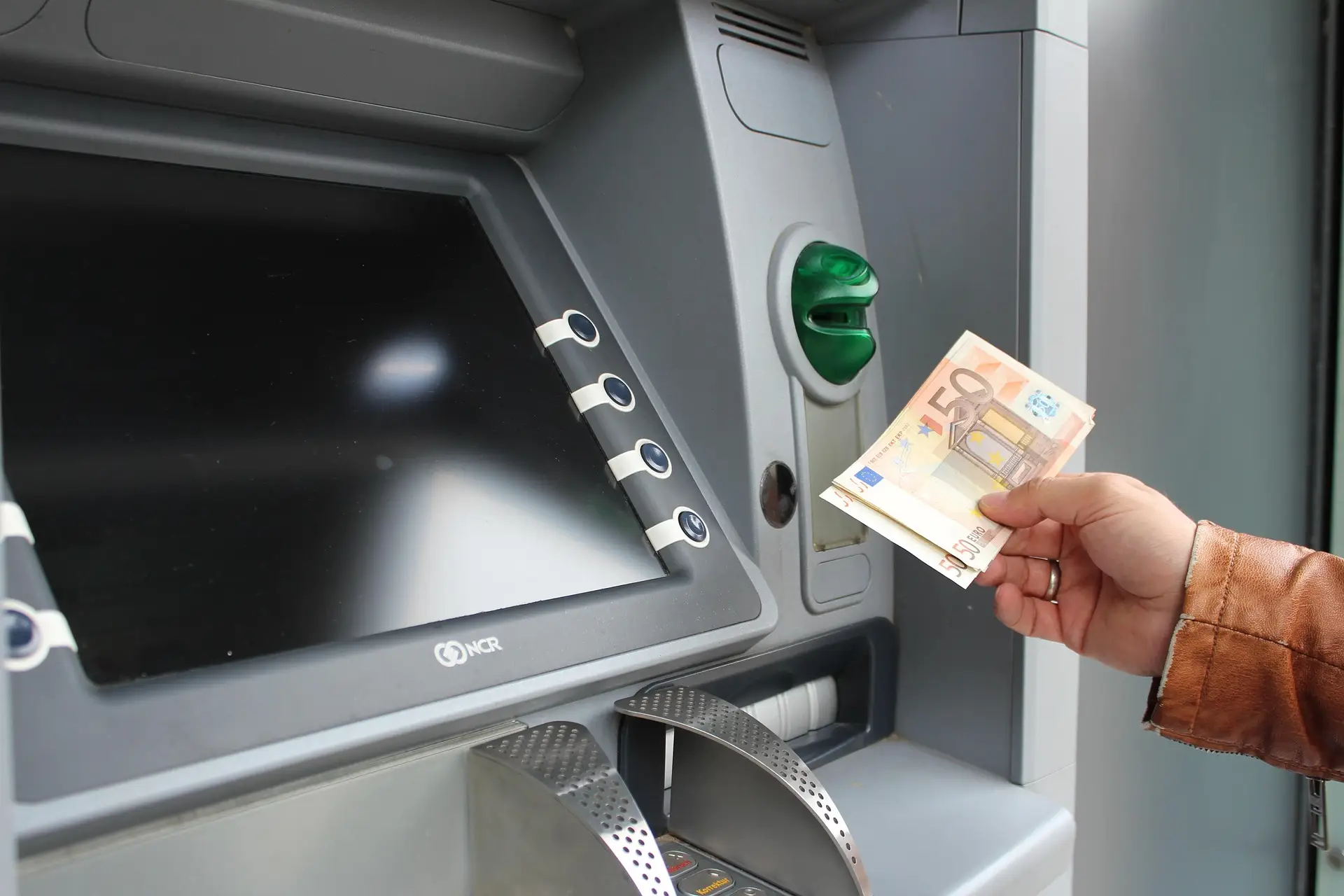
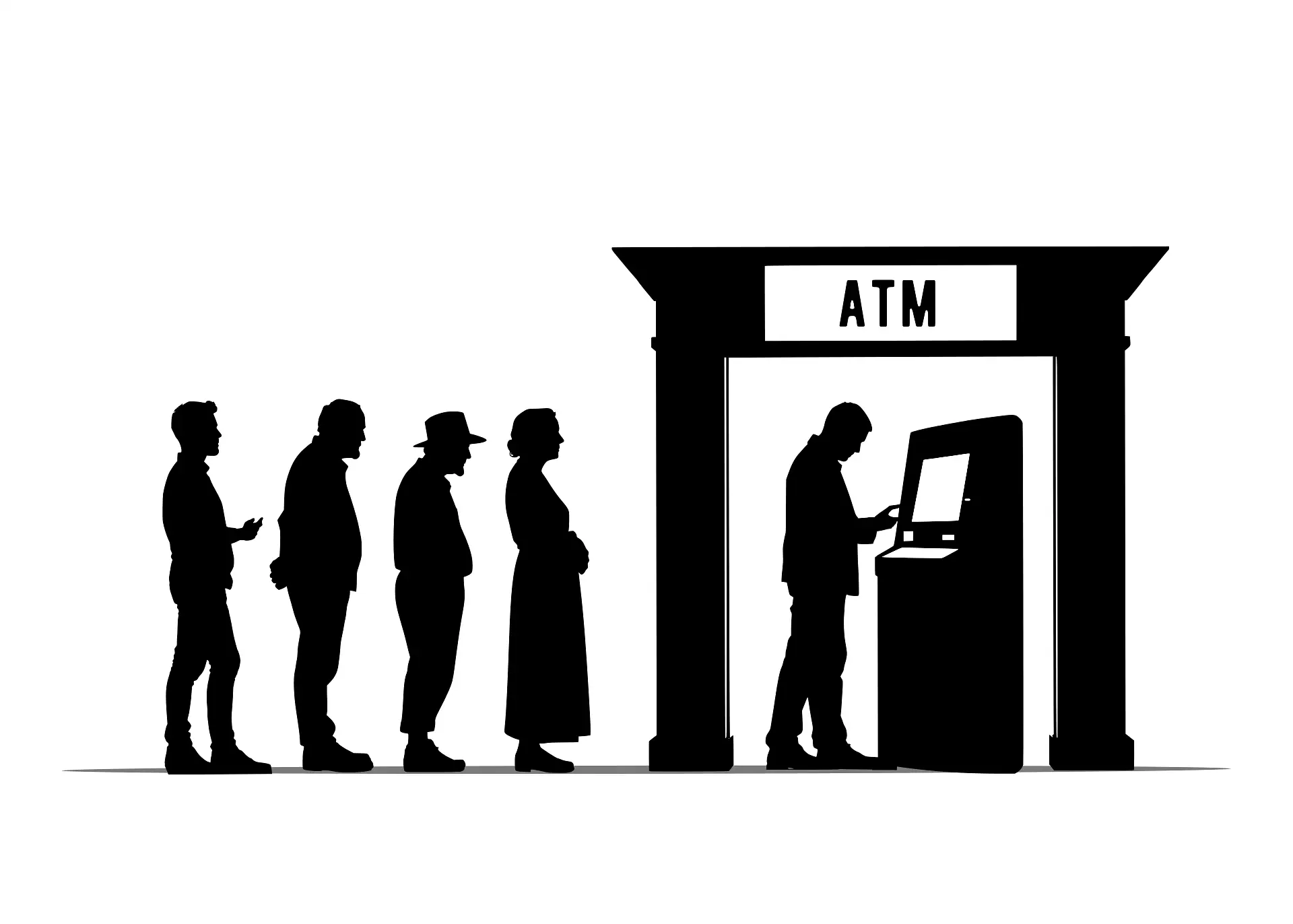
A particularly nasty variant: a caller – supposedly from the police, your bank or tech support – tells you your account is at risk. You are to withdraw cash, pay it into a bitcoin ATM and send the coins to a QR code they give you. The money goes straight to the fraudsters. No Swiss authority or bank will ever ask you to pay via a bitcoin ATM.
Warning signs at a glance
- Guaranteed or unusually high returns, “with no risk”.
- Time pressure, a bonus for depositing more right now.
- The contact came to you: a call, a chat, a dating app, an advert featuring a celebrity.
- Requests for remote access, your recovery phrase, passwords or SMS codes.
- Fees, taxes or deposits before you can withdraw.
- Payment to foreign accounts, private wallet addresses or via a bitcoin ATM.
- A company with no commercial register entry, no FINMA licence and no SRO membership.
The FINMA warning list and other checks
Before you trust a platform with money, check it in several places.
FINMA warning list. FINMA’s warning list names companies and individuals that may be operating without a licence. You can search by name and filter by whether they have a commercial register entry. Important: FINMA says the list makes no claim to be exhaustive or up to date to the day. New fake platforms often appear on it only weeks later.
Zurich cantonal police warning list. On cybercrimepolice.ch the police collect suspicious online platforms and crypto addresses. The site, available in German, French and Italian, also lists current cases and has a form for reporting incidents.
Positive check. More important than the absence of a warning is proof of supervision. Is the company on FINMA’s list of authorised institutions, or in the member directory of a self-regulatory organisation such as VQF or SO-FIT? Our guide to FINMA crypto regulation walks you through the check and explains what each licence means.
Domain and app. Read the web address letter by letter, open exchanges from your own bookmarks rather than via search adverts, and check the publisher in the app store. The commercial register at zefix.ch shows whether a supposedly Swiss company actually exists.
Scammed – what now?
Embarrassment is a scammer’s best friend. Act quickly, in this order:
-
Stop paying immediately
No further payments, not even a “final fee”. End the contact and block the numbers.
-
Secure devices and accounts
Uninstall any remote-access software, call your bank to block cards, and change passwords from a clean device. If your recovery phrase is compromised, move any remaining coins to a new wallet at once.
-
Keep the evidence
Save screenshots of chats and the platform, emails, web addresses, phone numbers, wallet addresses, transaction IDs and bank statements. Delete nothing.
-
Report it to the cantonal police
If you have lost money, file a complaint with the police in your canton of residence. Zurich cantonal police recommend calling ahead first.
-
Notify the authorities
Log the case using the FOCS reporting form, forward suspicious emails to cybercrimepolice.ch and inform the exchange you sent coins from.
-
Beware of recovery offers
From now on, work only with the police. Anyone offering to recover your money for an upfront fee is the next scammer.
Be realistic: FOCS says invested money is usually lost, although international cooperation sometimes brings results. The best chance of saving something is when, a few hours later, the coins are still on a regulated exchange. The FOCS form is at report.ncsc.admin.ch.
Securing your recovery phrase and accounts
Most losses can be prevented with a few habits:
- Write your recovery phrase on paper or metal – never photograph it or store it in the cloud, email or a password manager.
- Use a hardware wallet for larger amounts and check receiving addresses on the device’s own screen.
- Turn on two-factor login with an authenticator app rather than SMS.
- Set up a whitelist of withdrawal addresses on your exchange if it offers one.
- Use a separate email address for crypto accounts.
- Open exchanges and wallets only from your own bookmarks or the official app.
- Never install remote-access software because a caller asks you to.
- Send a small test amount before any large transfer.
A A small device that keeps private keys offline; every transaction is confirmed on the device itself. makes phishing much harder, because every transaction must be approved on the device. We review the Swiss BitBox from Shift Crypto in Adliswil and Ledger devices separately.
Buying and selling through safe channels
The best protection against fake platforms is never to follow up on offers that come to you. Buy from providers whose status you have checked yourself – a bank such as Swissquote or PostFinance, or an app such as Relai, which belongs to the SRO VQF. Selling has its own traps too, such as supposed buyers offering an “escrow solution”. For turning crypto back into francs cleanly, see our guide to cashing out crypto in Switzerland.
Rather start through a checked route than an advert? Open an account and begin with a small amount.
Operating since 2013Group registered with FinCEN (US) and the FCA (UK)